Showing posts with label Italy: Tuscany/Pienza. Show all posts

Friday, June 10, 2011

Where to Stay in Florence?

Our experience with accommodations in Florence has been limited. For years we stayed at Tony’s Locanda on Via Faenza, but those days ended when the family sold it and it became “gentrified” (i.e. doubled in price). As with most cities, the cheaper hotels can be found near the train station and I suspect Via Faenza is still riddled with 3rd floor walkups at reasonable prices, but one star hotels are not going to work for us.
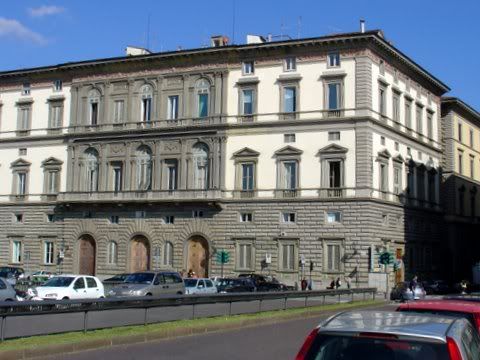
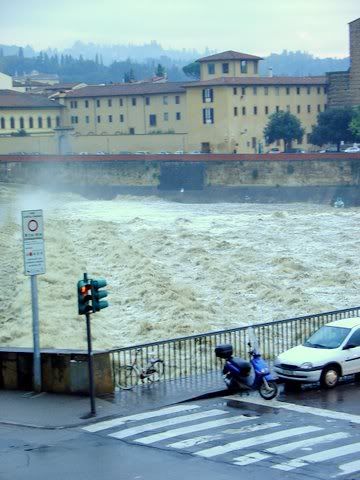
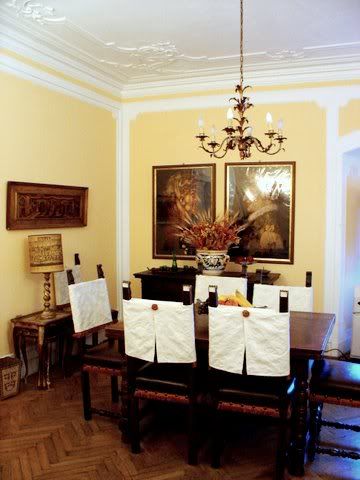
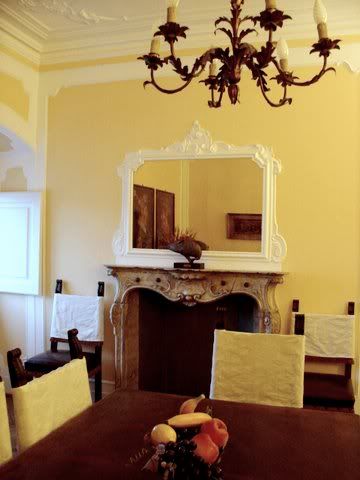
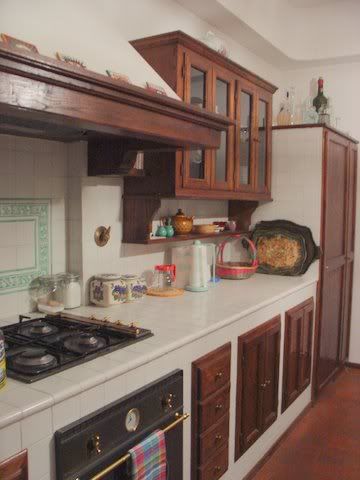
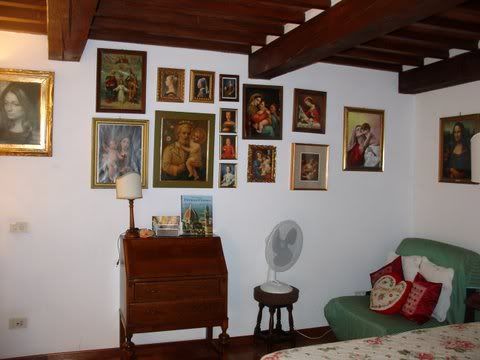
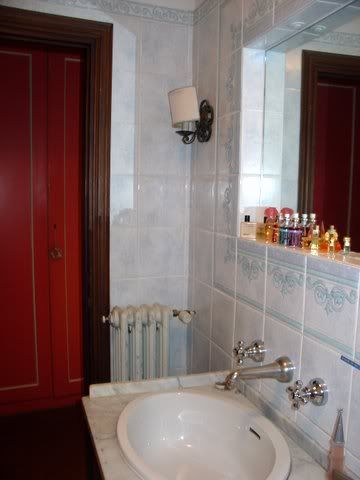
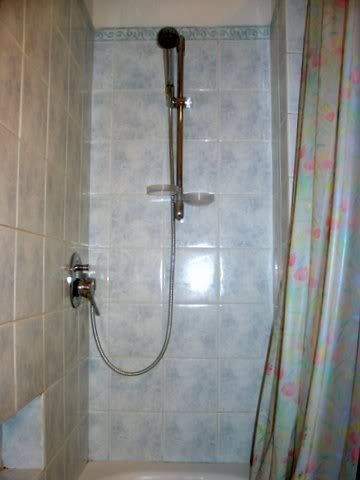
One year we had the bright idea to rent a large apartment that slept 8 and invite friends and family to join us. Even for free, our friends left early to avoid sofabeds, so we nixed that idea in the future. Still it was a lovely apartment and it was great fun to be able to shop the markets in both Florence and Bologna to make dinner for our guests. I failed to photograph the master bedroom and a single bedroom, but did manage a photo of 3rd bedroom with its "wet bath", the old fashioned type of Italian bath that allowed the shower to spray the entire room and drain into the middle of the floor. My cousin and her husband were great sports about accepting that room and allowing other guests to trapse through in the middle of the night to use the toilet. It makes for an amusing travel story, though not very amusing at the time.
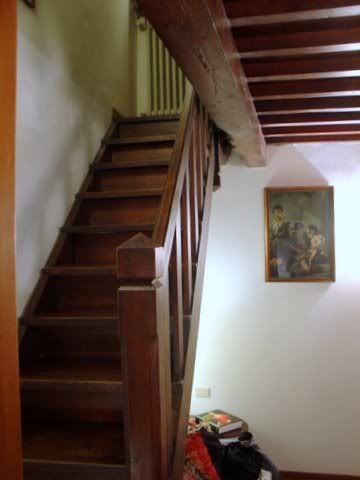
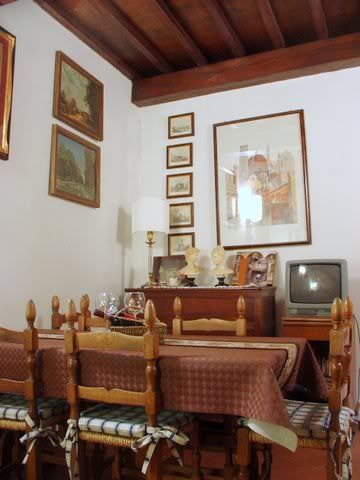
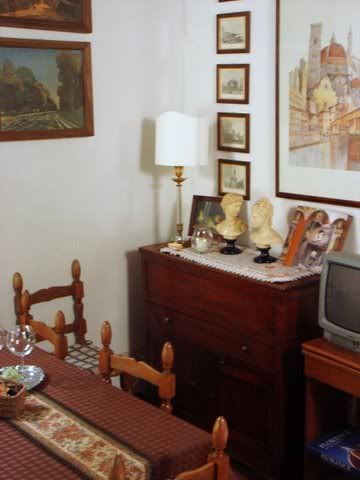
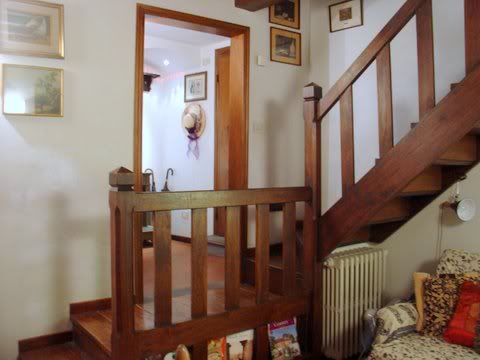
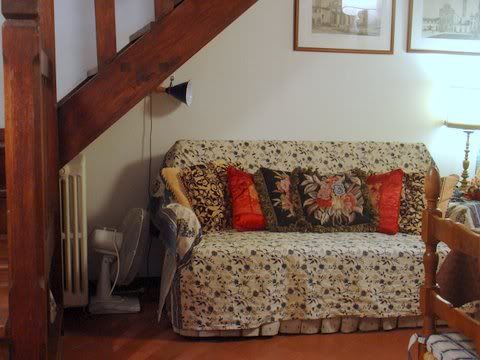
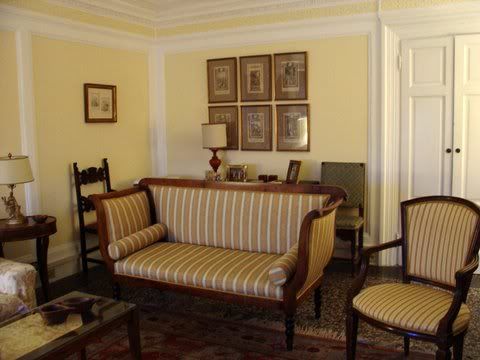
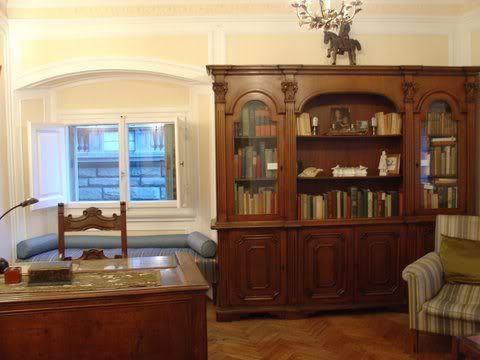
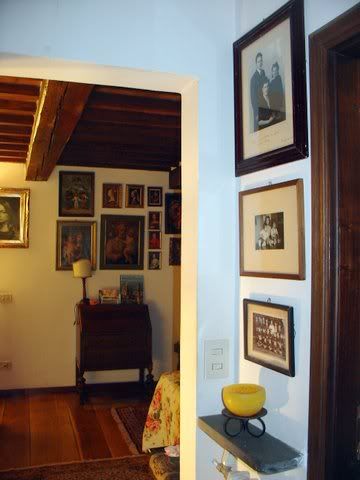
Our next rental experience was superior and worked out well. A colleague at work told us about a one bedroom apartment that he and his wife were very pleased with and offered me a link to the property. I contacted the owner, Rossella Ristore, and we have since become personal friends. Even when her apartment is not available we get together for lunch. Next year it will be available during our required dates and we are looking forward to renting it again.
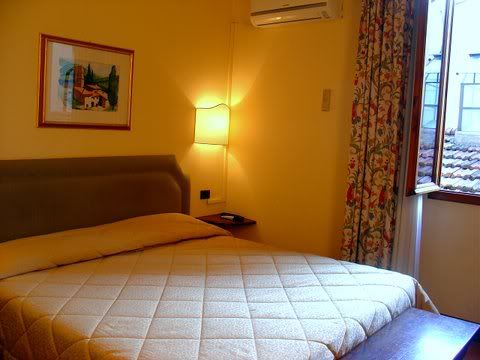
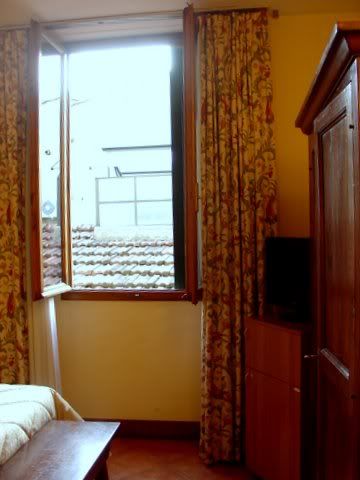

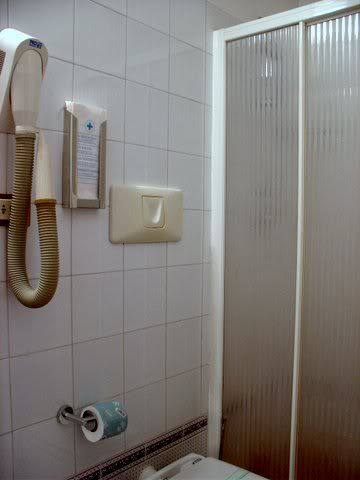
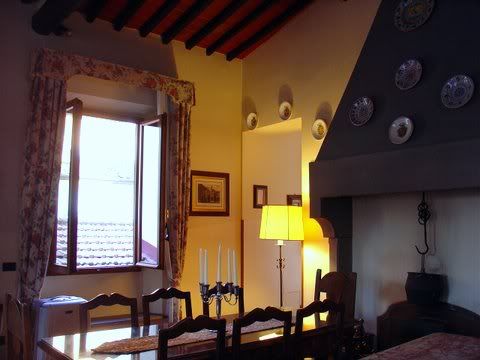

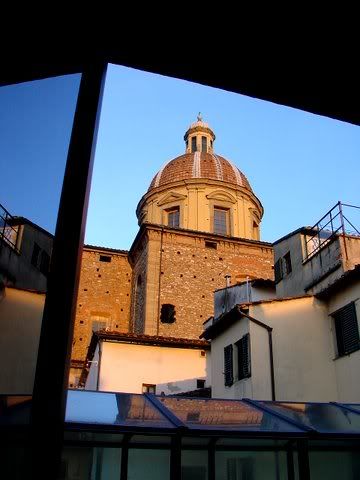
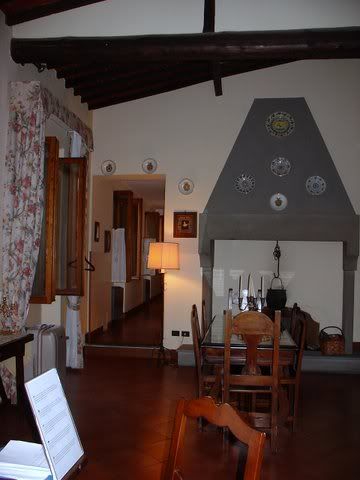
On the one occasion when her apartment was not available, I made a reservation on LateRooms.com for Il Cestello, a small hotel in the Oltrarno area of Florence and were it not for an allergy to mold, I could have enjoyed my stay there. It had been booked on a nonrefundable basis for the low rate of 118 euros per night. The bathroom shower had mold in the grout between the tiles, therefore I had to make a complaint and asked for bleach. The young man at the desk wanted to accommodate me, but could find none. I bought some for myself and scrubbed down the shower, but it did not remove the mold (although I did not get my allergy so it could have killed it). In the morning the manager offered to give us an alternate room, even one he could rent for a higher price, but every room he showed me had the same problem. When we explained that I couldn’t afford to get sick and were leaving early, he kindly offered to give me a free room on another occasion, but if the mold were a continuing problem, which it appeared to be, that would not work either. He tried, but keeping healthy on vacation was worth losing one night’s lodging. Still for anyone not allergic to “muffa” and who can tolerate it aesthetically, it was a good value.

Thursday, April 21, 2011

Pienza


The Papal Coat of Arms says more about Pienza than I could write about in several paragraphs, but let me give you a thumbnail sketch of the history surrounding this beautiful village. Small town boy makes good and spends a sizeable fortune to polish up his humble origins. The boy from Corsignano, Enea Silvio Piccolomini became Pope Pio II and used the wealth of the Papacy to help create the perfect Renaissance city, renamed Pienza. So perfect, in fact, that Franco Zeffirelli filmed his 1968 movie Romeo and Juliet here. The Palazzo Piccolomini, the Pope’s private home owned by his descendents until the last one died, was featured as the home of the Capulets. Most of the street scenes were also filmed in Pienza, while Gubbio in Umbria is where the fight scenes were filmed. I had wanted to see this town ever since I saw this beautifully filmed screenplay.


On the day we visited, October 3, 2005, we heard a little rumbling in the distance. As we parked the rental car we realized it had been drums. We followed the local crowd down the narrow streets to see what was taking place. We knew that there was a parade of some sort, because in a short period of time we saw the town band in full red velvet uniform, Renaissance uniform.


First came the standard bearers, then the heralding trumpets decorated with small flags, that started playing the closer we got to the Duomo, and then the drummers, setting the pace for all with their drums, the heartbeat of the festival. The band instruments were as lovely as the uniforms. In all the years that we had visited Italy, we had never before seen a celebration like this, because we have always traveled in Spring and Fall and the great majority of events such as this generally happen in Summer. This was a real spectacle and it was wonderful to see.

Picking up the rear were the flag twirlers, who we would soon discover were the main event. Never before had the “flag girls” in high school made any sense to me; the drum major, yes, the cheer leaders, yes, but I always wondered who thought up the idea of girls in short skirts tossing flags into the air and catching them backhanded. Evidently, pasta and pizza were not the only things Italians brought to America!


The crowd gathered around the Piazza where the Duomo and Palazzo Piccolomini are located next to one another and waited for what seemed like a long time before everyone found their place and the festivities started. We finally discovered that they were celebrating Pope Pio II. Whether it was the day of his birth or the day he became pope didn’t really matter.

What mattered was that these people, inhabitants of Pienza, were celebrating his life almost 550 years after he made the investment in their town, his town. Sense of place is very important to the Italian psyche. When Italians ask  “di dove sei?” where are you from, they are not asking where you live, but where you were born. In that context it’s very easy to understand why Piccolomini decided to spend time and money on the place of his birth, not for glory, not to reinvent his past, but because it was his home.

This photo of a typical looking building was taken on our way out of town. As delightful as it was to be there on a holiday, to experience the festive mood, the numbers of people were too large to deal with and few photos could be taken because of all the crowding. Going back on a regular day to see what the pace of life is like would be ideal. I’ve linked two websites that have nice photos of the town and a bit of history to go with them. Before I go back, I really must rent Zeffirelli’s movie.

http://www.ilpalio.org/brief_pienza.htm

http://www.abctuscany.com/siena/pienza/index.cfm