Thursday, June 05, 2008

Rock of Cashel


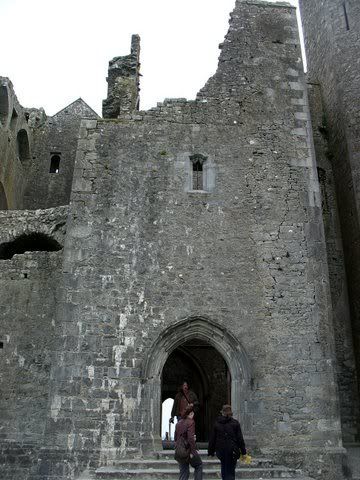
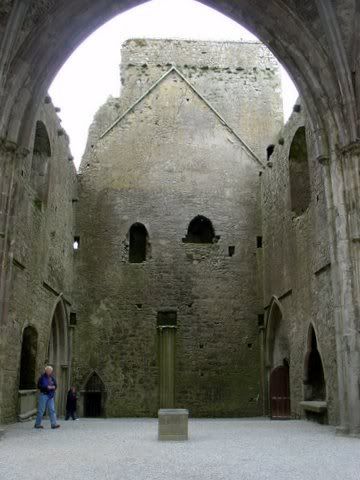
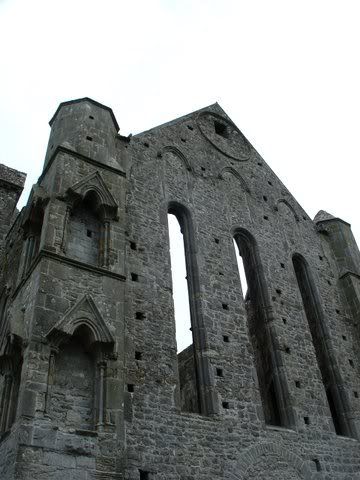
As I looked through my travel notes I discovered that a single word hadn't been written about this marvelous ruin in County Tipperary. Once known as St. Patrick's Rock, in the 5th century, the current cathedral buildings that dominate the site were built in the 13th century. There have been quite a few changes over the centuries, and the one I personally noticed was that what once was a romantic ruin I had climbed on my first trip to Europe, is now a micro managed tourist attraction.

My first glimpse of this edifice was breathtaking and my first time there seemed magical. It must have been a slow day for tourism as my college friend and I spent most of our time there alone, climbing the walls and ramparts, exploring every nook and cranny. The stairwells were not barred then and we were able to walk along the walls of the second storey of the main choir; an activity my current, more cautious self would not have attempted this time, had the opportunity presented itself.
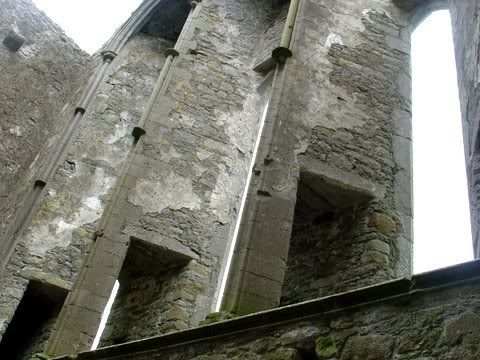
Could this have been where the seed of my aversion to heights was planted? The lack of guard railings would certainly keep me from walking briskly through those doorways today, but it didn't stop me then.

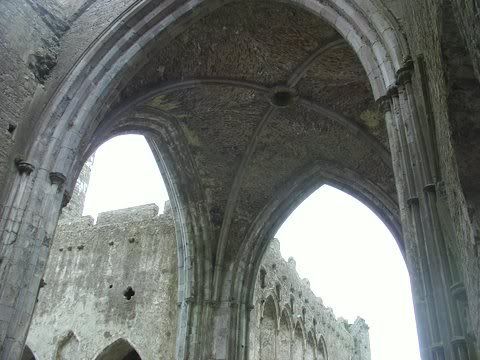
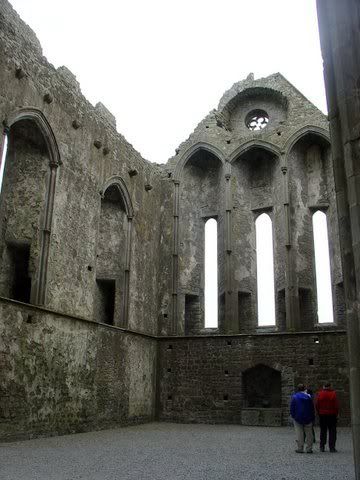
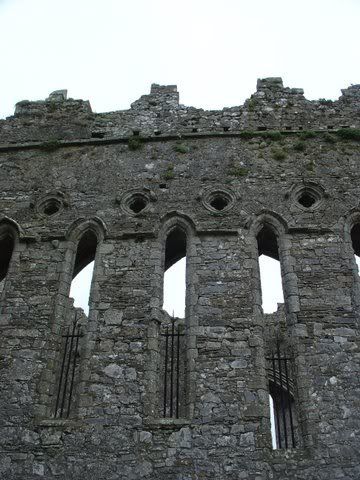
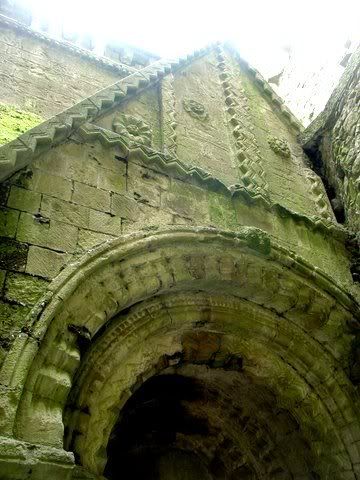
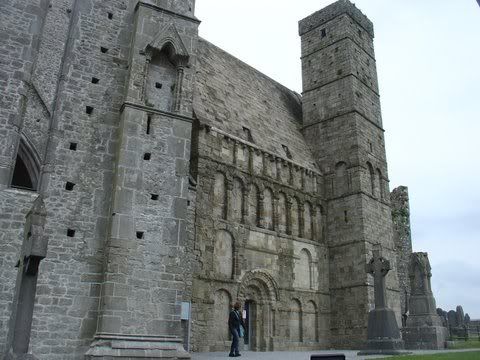
The Romanesque details of the architecture help to set the mood of these ruins, solemn and even oppressive, if it weren't for the roof and dark stained glass windows having been destroyed because of sacking and looting by the English during the Irish Confederate Wars in the mid 17th century. The roof came off a century later and it is my guess it had to do with the desire to avoid having to pay taxes. Buildings were taxed in earlier centuries by the number of windows on the property, so many very old buildings all over the country show evidence of windows having been bricked up. Buildings were considered ruins and had no tax obligation if the roofs were destroyed.
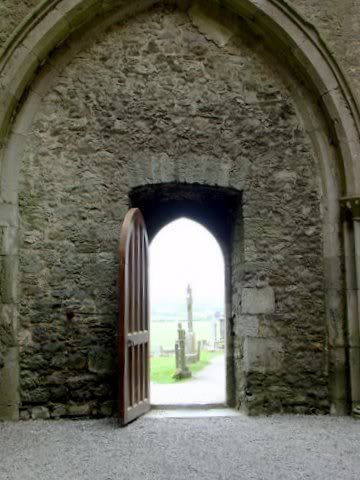
The graveyard is very old, but these crosses are from the Victorian era. One can't help but wonder how many other unmarked graves lie beneath this ancient site.
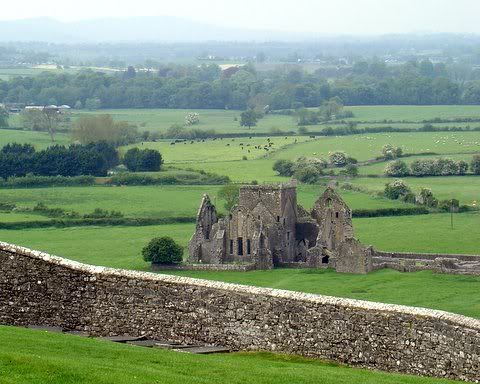
Another church or monastery ruin in the valley can be seen from the graveyard. This setting is quintessential Ireland to me, with its stone walls, hedgerows and lovely green grass. Looking at it almost brings back a scent memory of peat burning in a fireplace. In 1975 there was a flurry of activity on the Rock and what is referred to as the hall was rebuilt to accommodate the new entrance and ticket desk. Prior to that, the only official stop between you and the rock was set at the foot of the hill. Public safety must surely have improved with personnel on site.
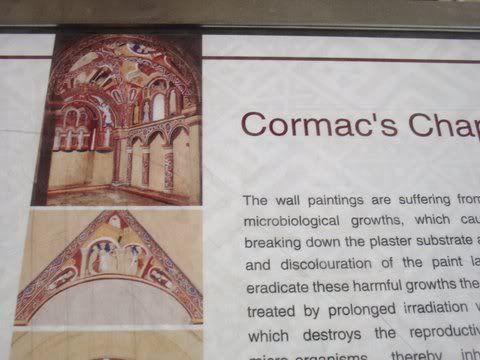
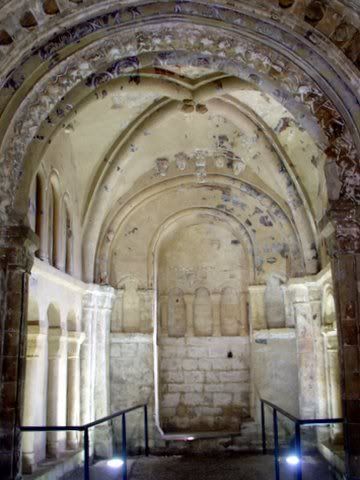
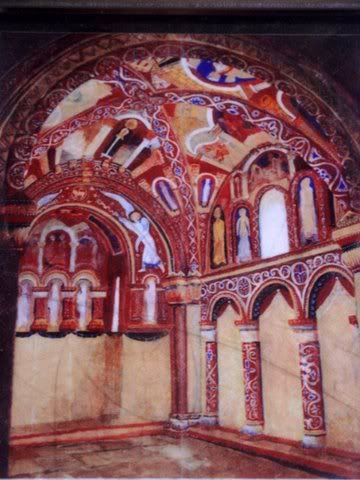
Prior to that time, Cormac's Chapel was closed to the public and it would have been difficult for anyone to imagine any color on the walls in this austere and sober setting. Trace evidence enabled a contemporary artist's rendition of what it may have looked like when it was being used in centuries past.
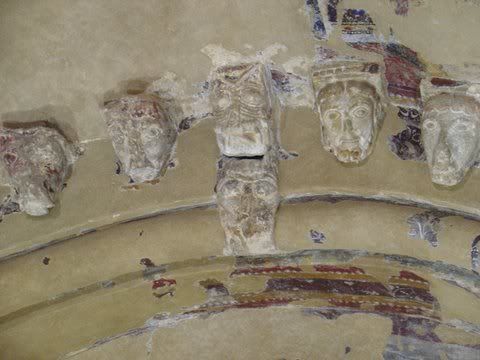
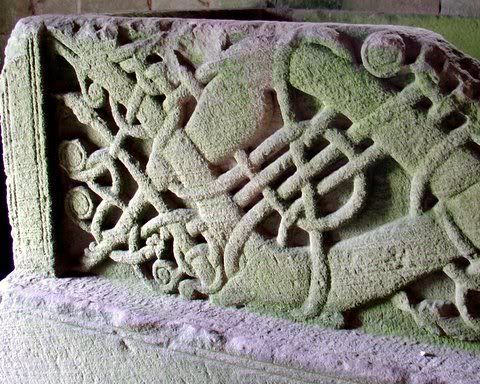
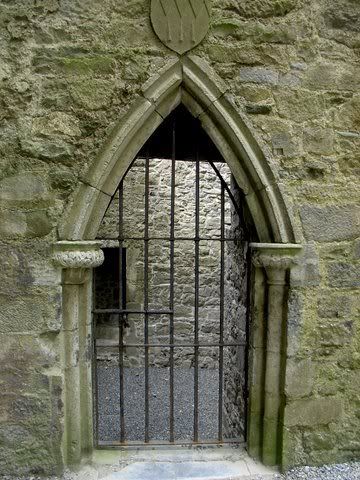
Due to the opening of the chapel, current visitors are treated to a greater variety of artwork and the best piece of ancient Celtic bas relief as pictured above. The decorative stonework at the back door of the chapel would also have been missed prior to the reopening of the chapel.

Monday, June 02, 2008

Kylemore Abbey


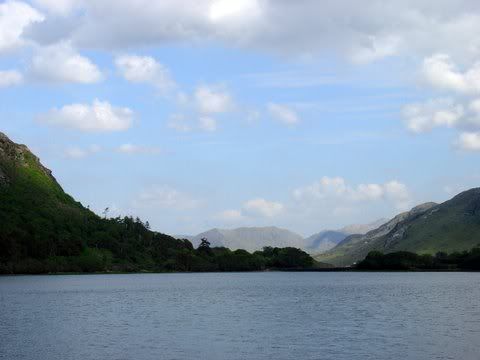
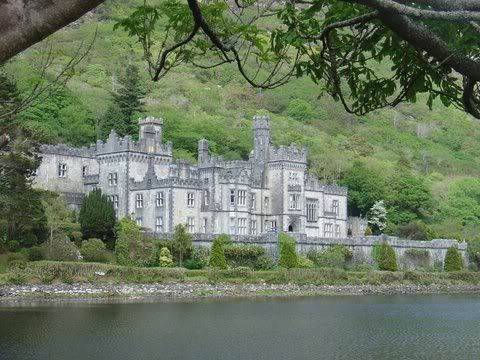
This was not my first visit to Kylemore Abbey although it was my most successful trip there. On my first venture to Ireland I had made plans to see it, because it had a working pottery and I was on a bus man's holiday. Tourism was not then what it is now and since it was closed in early May, definitely the "shoulder season" in those days, I made do with this very same view. I had no idea then of how large an estate it was nor how incredibly beautiful it would remain for the many years that had passed between trips to Ireland.


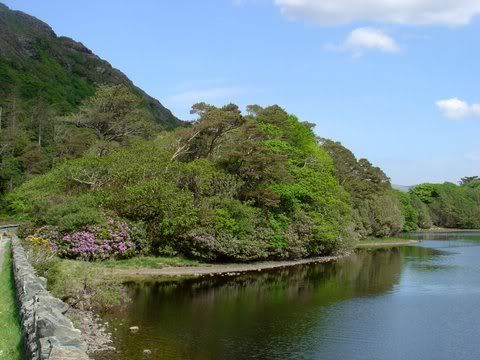
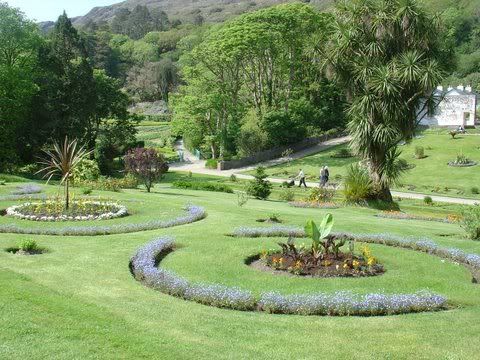
It's open all year long these days and allows for limited tours of the house and full tours of the gardens. Set on a lake, man made I believe since it is basically a reservoir for the property, it is stunning as you approach. Like Botticelli's Venus Rising From the Sea, the Abbey is an ageless beauty.


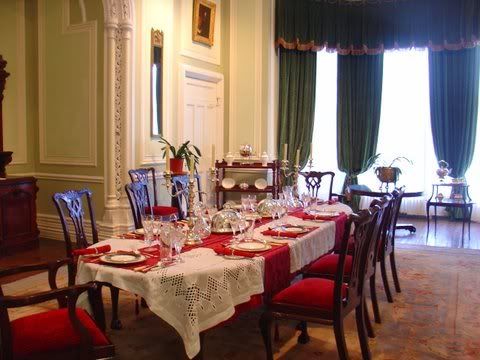
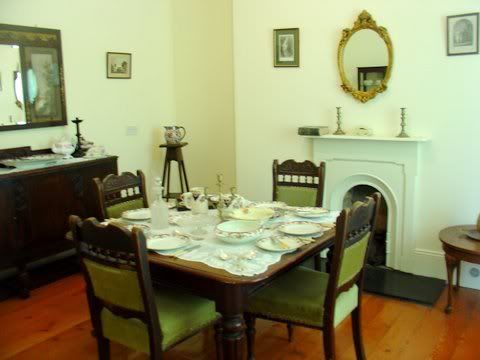
The lower floors were available for viewing. I'm certain it was a lavish lifestyle in its day since the dining room was massive and the china and silver service on display were lovely, but I really would have preferred to see the living quarters and especially the kitchen. Luckily, when touring the gardens we were able to see how the grounds manager and his staff lived; quite a bit more modestly I should say.


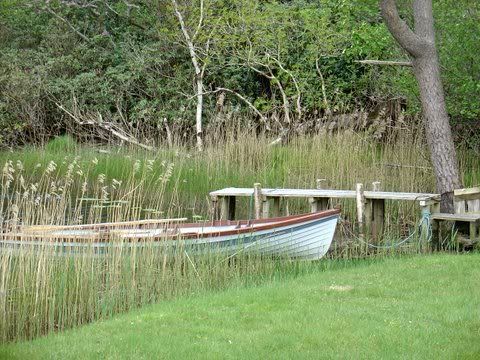
The reservoir is vital to the grounds, but also provides an appealing venue for recreation; swimming and rowing were two of those activities. I believe the girls who were schooled here had few complaints about the grounds.


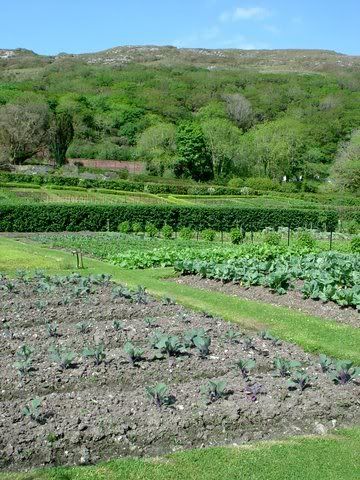
The gardens were divided into aesthetic and functional areas. Some were left to look wild and others were well manicured for social functions. The kitchen garden was a world unto itself and was completely surrounded by garden walls.


In the visitor center, Kylemore Abbey has a group of shops, as well as a cafeteria. We decided to spring for a "cuppa" and a light snack. My associate first made a beeline to one of the shops, a very uncharacteristic activity for "himself", and purchased an Irish Aran sweater. It was cold that day and he needed more comfort than a cup of tea. I spotted a cookbook the Sisters had published and discovered a brown bread recipe that I just have to try. No one makes bread like the Irish! So what was our "light snack?


Himself ordered the most gooey pastry he could spot, and it was outstanding. I, being on a mission, purchased a slice of brown bread. Not merely to taste first hand the recipe I would be using, but to accompany the Cooleeny cheese I had purchased earlier in Westport. The cheese had time to cool to room temperature; it was perfectly ripe and luscious spread over the brown bread.

Kylemore Gardens


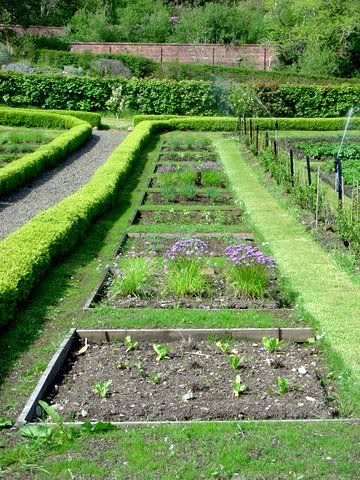
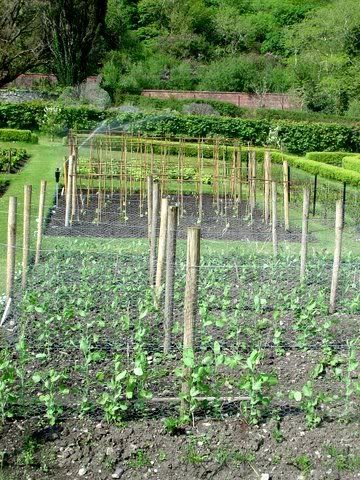
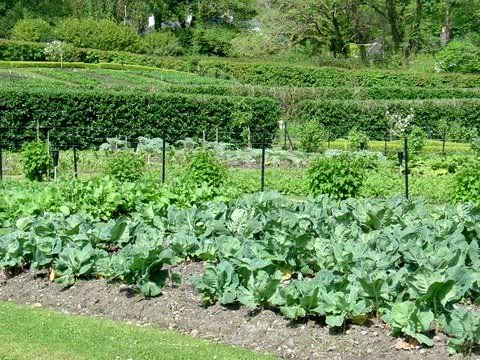
Anyone who ever planted a little "victory" garden of their own would be envious of the plantings and design of the kitchen garden at Kylemore Abbey. Well organized and properly kept up, this garden was very impressive. On the day we visited, there were three gardeners on the grounds of the kitchen garden.


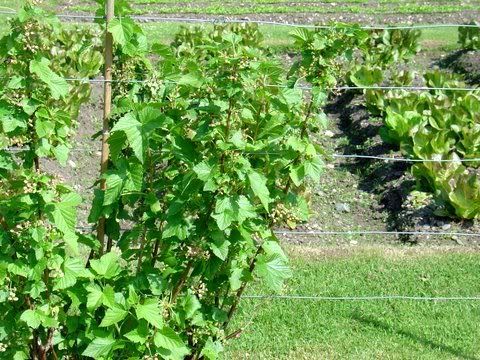
The gooseberries provide a nice windbreak for the lettuce, once they are growning along the wire fence, made to provide support for the long canes of this fruit. As the canes (branches) are tied horizontally to the fence wire, they fill out, thereby becoming a living windbreak. If you look at these photos you will also notice that the hedges help to organize the garden into sections where the more delicate plants are provided shelter inside the planting areas.


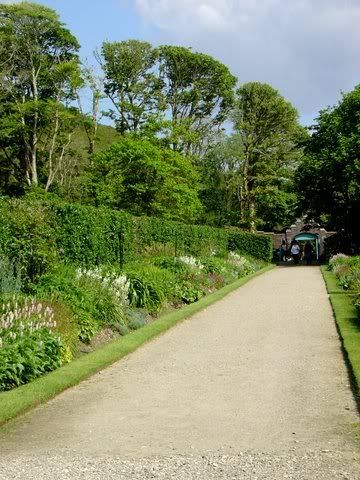
Here you see views of the lovely borders that run the length of the path that separates the public formal garden from the private kitchen garden.

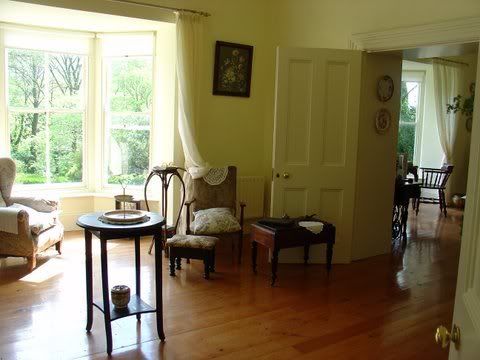
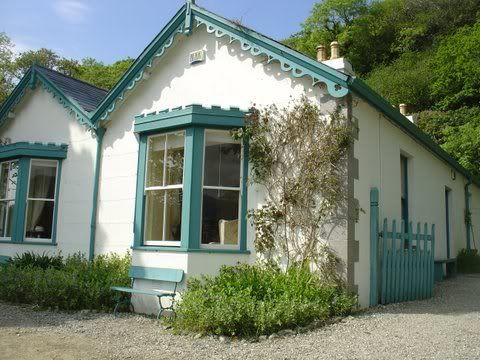
Middle class comforts were provided to the grounds manager of the estate. Bay windows and plastered walls added a refinement suitable for comfortable furniture and bric-a-brack. I didn't see it, but I presume there was a separate kitchen, since the fireplace in the dining room was not meant for cooking.

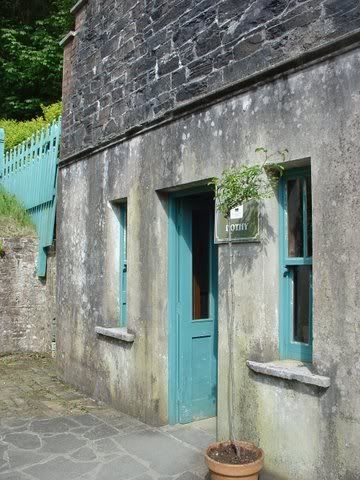
The grounds manager was shown more courtesy, as must have befit his station in life, with his comfortable cottage; the exterior view on the left. In contrast his crew of gardeners lived a much less frivolous lifestyle, just across a small courtyard. No need for gingerbread trim on this stone out building. I wondered if the stables had been much different.


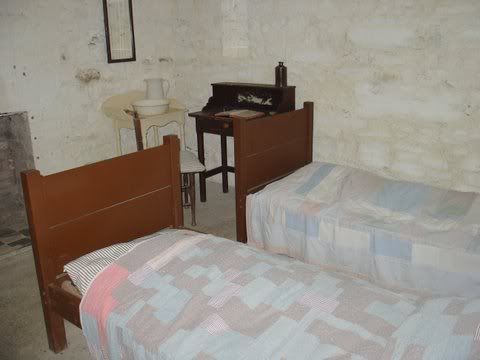
Thin matresses must have given little comfort to the gardeners of Kylemore. Small quarters may have served to keep heating at a nominal cost, but a large table easily identifies the heart of this modest, bare bones abode, where all cooking was done in the fireplace.

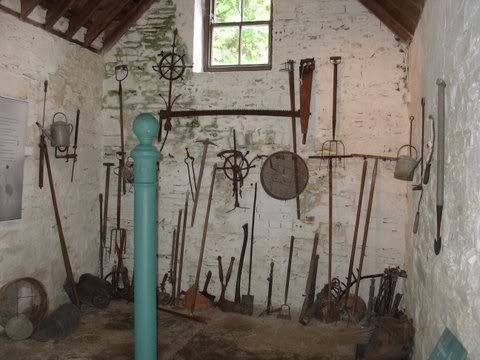
If the rickety, rustic furniture were not enough to reinforce to the gardeners their place in the world, this shed attached to their quarters made the statement loud and clear. The tools were given almost as much space as the gardeners themselves.

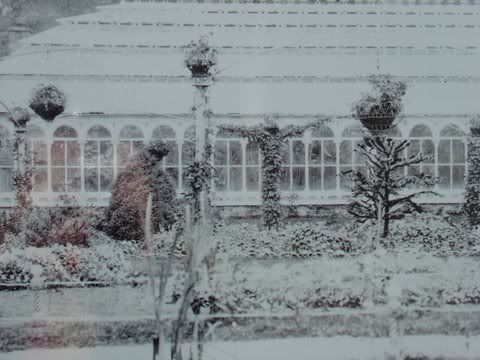
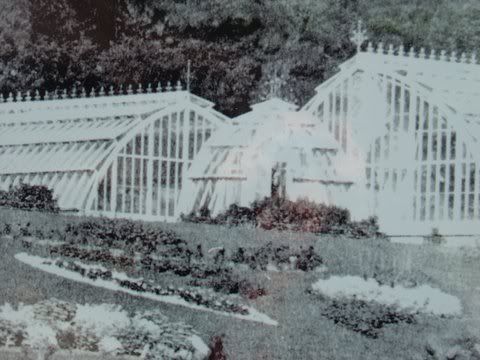
These are photos taken from posters showing the green houses as they once were. They are now torn down to the foundations. These were essential elements for this self sustaining manor house during winter months, when the weather made growing vegetables impossible.

Thursday, April 17, 2008

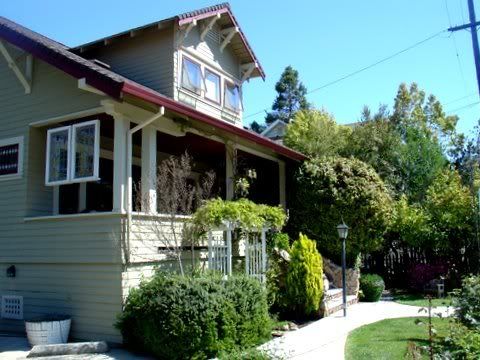
Eureka Street Inn, Sutter Creek


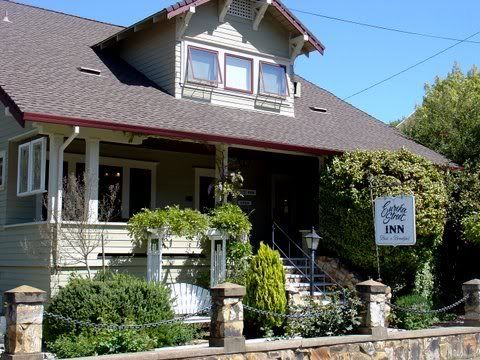
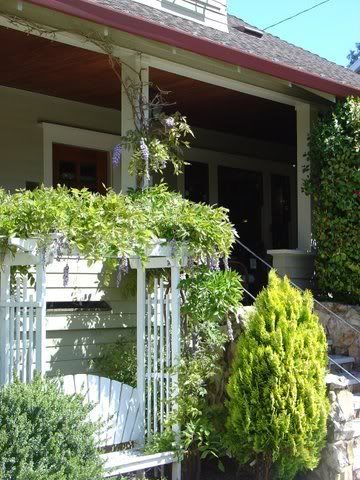
Picture perfect B&B isn't it? The real beauty of Eureka Street Inn in Sutter Creek is greater than the location or the beautifully manicured property itself, it's in the form of the hosts, Sandy and Chuck Anderson. They make one feel so welcomed and comfortable it is hard to resist adding them to your short list of people you want to spend more time with. It was 20 years between visits to Sutter Creek for me and I now find myself trying to work it into a biannual or even annual event. I imagine myself whiling away hours reading on the front porch and reading is not a pastime I plan vacations around.
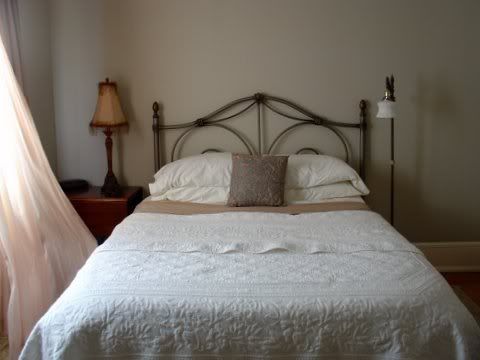
The property is located a short block away from the main street which is Old Highway 49. We slept like babies here partly because the bed was so comfortable, but mostly because after 45 years, the town was successful in getting the state to go along with a bypass that routes freeway traffic away from rather than through the town. The property is intimate, only having 4 rooms to let, but each one has a unique character and any one of them would be lovely. The bathrooms were generous in size and included toiletries.
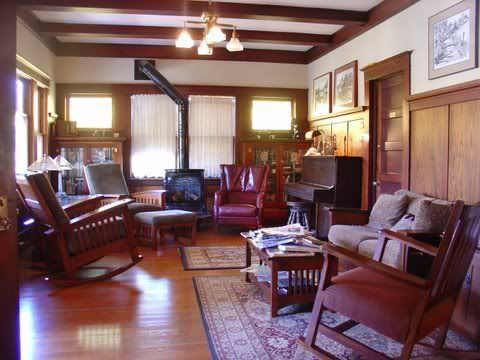
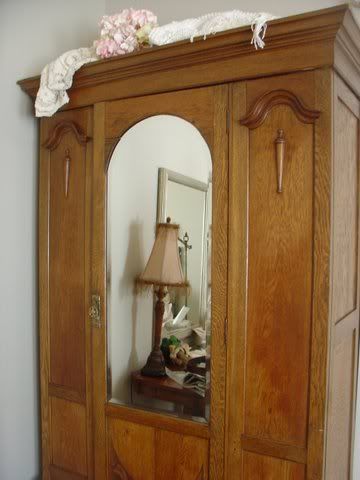
The craftsman style house was filled with craftsman style oak furniture and accessories including a smart collection of Bauer pottery; just perfect for the period theme. It was cozy on a grand scale. All guests enjoyed mingling in the living room and on the front porch, and this was only possible because of the limited number of rooms. It would not have worked half as well in a larger property.
I secretly dreaded a country B&B imagining patchwork quilts and funky mismatched furniture, like the hotel on our first foray into this area, but Eureka Street Inn was very tastefully decorated in a restrained and refined manner.
The dining room with its built in cabinetry was very comfortable to use and all guests were served breakfast there at 9:00 a.m. My traveling companion does not especially like interfacing with complete strangers, but enjoyed our stay and the breakfast conversations. All this was in part due to the excellent food. On the first morning we were served fresh fruit and yogurt in beautiful antique teacups with saucers. I regret that I did not get a photo of it, but I did manage a photo of the puff pastry encased omelet, with sausages and a lemon pound cake. On the second morning of our stay, the fruit was bananas and strawberries with a pomegranate coulis. The main dish was a tour de force of caramelized apple covered French toast with strawberries and ham. It was so moist, it was almost a bread pudding. We loved it.

http://www.eurekastreetinn.com/

Friday, April 11, 2008

Weekend Getaway, Sutter Creek


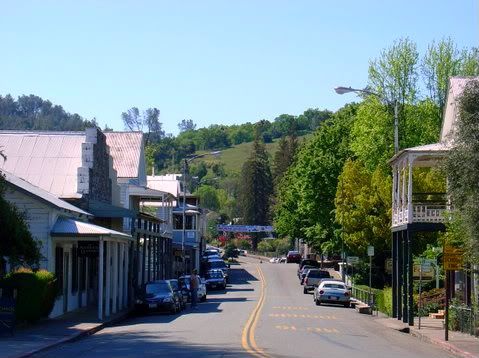
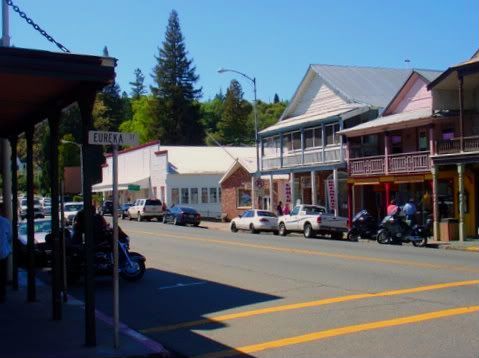
For anyone living in the San Francisco Bay Area, a quiet weekend in the country is always appreciated. Life in the city is filled with activity, but sometimes you just need a slower pace and Sutter Creek fills the bill. Only 2 1/2 hours northeast of San Francisco, Old Highway 49 leads you through the "necklace of gold", small towns in Amador County including Jackson, Amador City, and Sutter Creek. Nearby you can find other little gems like Volcano and Plymouth.




Sutter
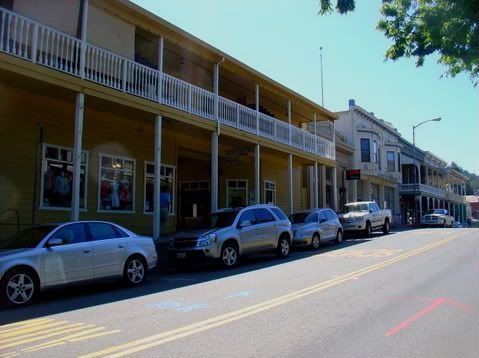
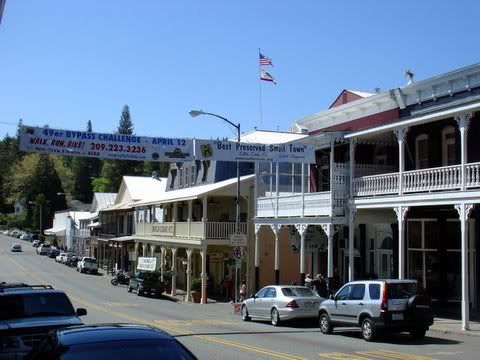
Creek is small town America, and I do mean small, at its most quaint and appealing. Neighbors really know one another and treat visitors like welcome guests. I stopped counting the number of times I was warmly greeted by citizens on the street and not just people providing tourist services. This town is surrounded by goldmines, some even tunneling under it. Many of the stone buildings were built by Italian stone masons during the Gold Rush, while many others are Victorian Era buildings or early 20th century cottages. If charm had an aroma, this town would be reeking with it.


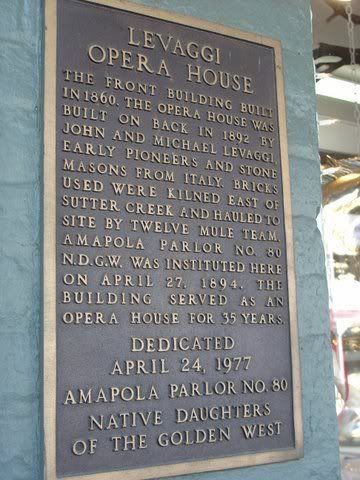
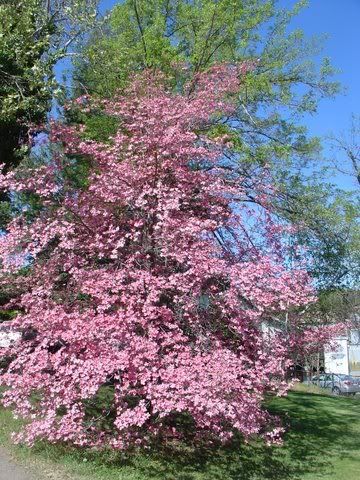
The photo above was taken of one of many plaques that identify Gold Rush buildings and tell a bit of local history. This one tells us that the building now housing a shop was once the Opera House, a clear indication of the importance of Sutter Creek, even if we didn't know it was epicenter of the Gold Rush. The non commercial areas of town are heavily planted with dogwood and wisteria, making Spring a perfect time to visit. Nearby Daffodil Hill, only open several weeks per year adds to the Springtime pleasures of this area. The weather in Spring is warm, but it cools down in the evening.


Regrettably
, no recommendation can be made for Berlotti's, perhaps the oldest of Sutter Creek's restaurants. They have remodeled, but would have been better served to revamp the menu instead. Finding nothing of real interest on their menu I ordered a warm spinach salad that was drowning in a flavorless oil, and a small pizza that was mostly poorly cooked, tough dough. The Cesar salad was also sub standard. Slow service killed any positive comment, except for the following: the bench outside the American Exchange hotel, the building that houses Berlotti's, was a nice place to sit that evening to watch the slow pace of the town.


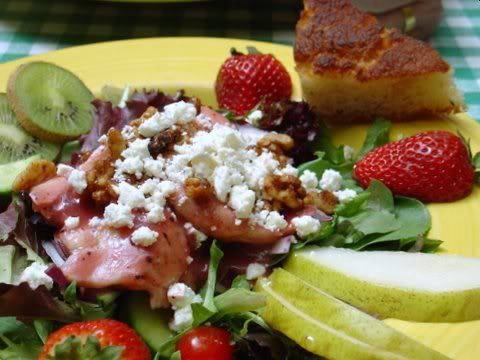
Susan's Place on Eureka Street was a horse of a different color. Speaking of color, those lively looking salads were beautifully balanced in flavor as well as color. Chicken salad with a raspberry chipotle dressing was composed of mixed greens, tender grilled chicken breast, strawberries, pear, red onion and Feta. The grilled shrimp salad was composed of mixed greens, tomatoes, and lightly grilled shrimp with a lemon dressing. Both were in the $15 ballpark.
The rest of the menu in this Mediterranean inspired restaurant was quite unusual in the respect that you may select from a variety of different sauces for your entree, as well as side dishes, if I'm not mistaken. The next time we visit I plan to order my entree and request the "chef's choice" for the variables.